

Pioneering
first clinically recommended
genome-wide pharmacogenomics
Actionable insights for safer therapies, personalised treatment, and better outcomes.
- SAC accredited
- ISO 9001 certified
- BioNexus status company
Trusted by leading institutions & healthcare partners
Precision diagnostics that scale
From pioneering clinical standards to real-world patient impact across Asia Pacific.
across therapeutic areas
by actionable insights
including oncology and cardiology
for genome-wide PGx
DNA tests we currently provide
Clinically accredited reports aligned with guidelines, designed for real clinical decisions.

PRECISE Pharmacogenomics
Genome wide pharmacogenomic profiling covering 1,000+ genes and 500+ medications. Supports safer prescribing across oncology, cardiology, psychiatry, neurology, pain and more.
Learn more →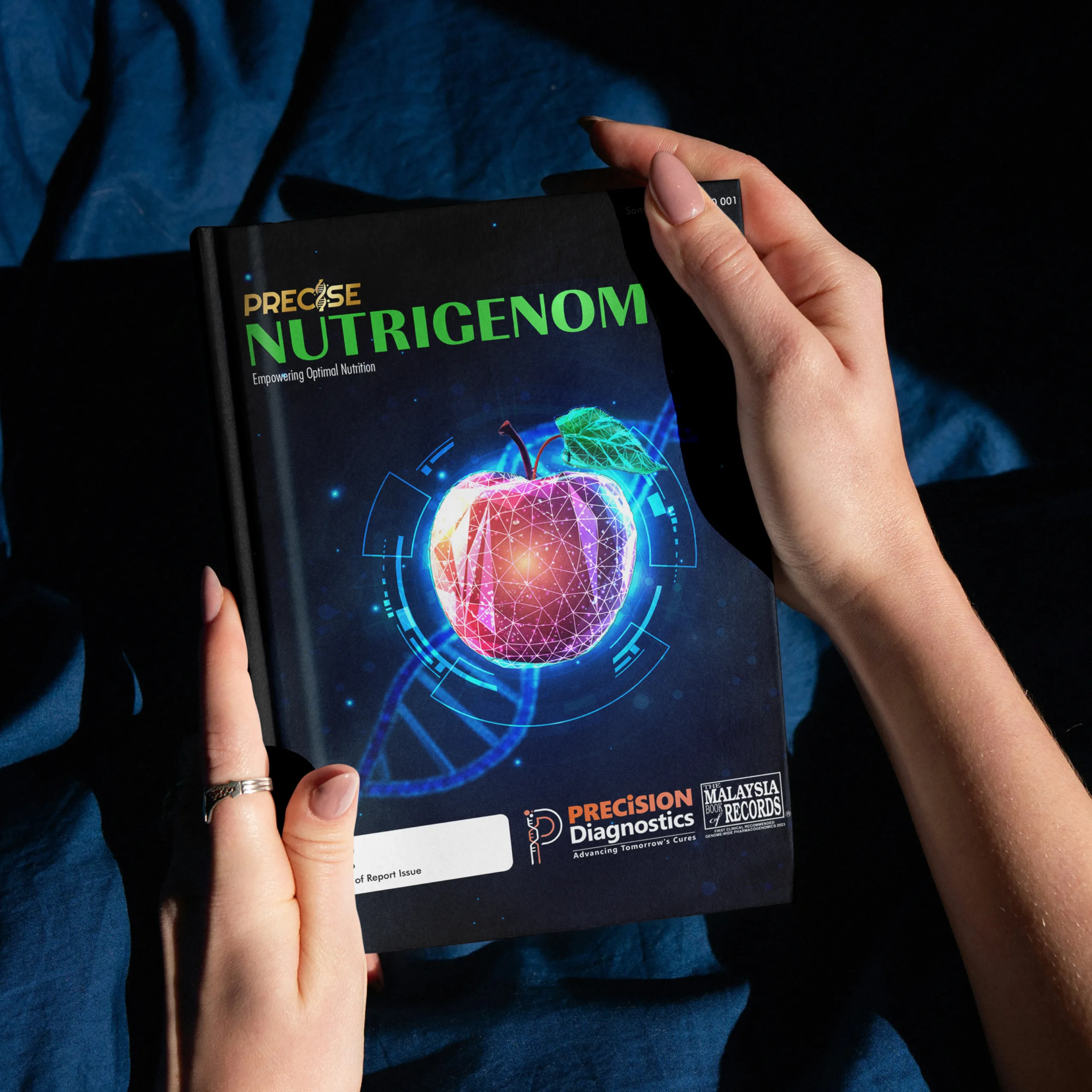
PRECISE Nutrigenomics
Evidence based, clinically actionable nutritional recommendations aligned with Medical Nutrition Therapy and recognised dietary guidelines.
Learn more →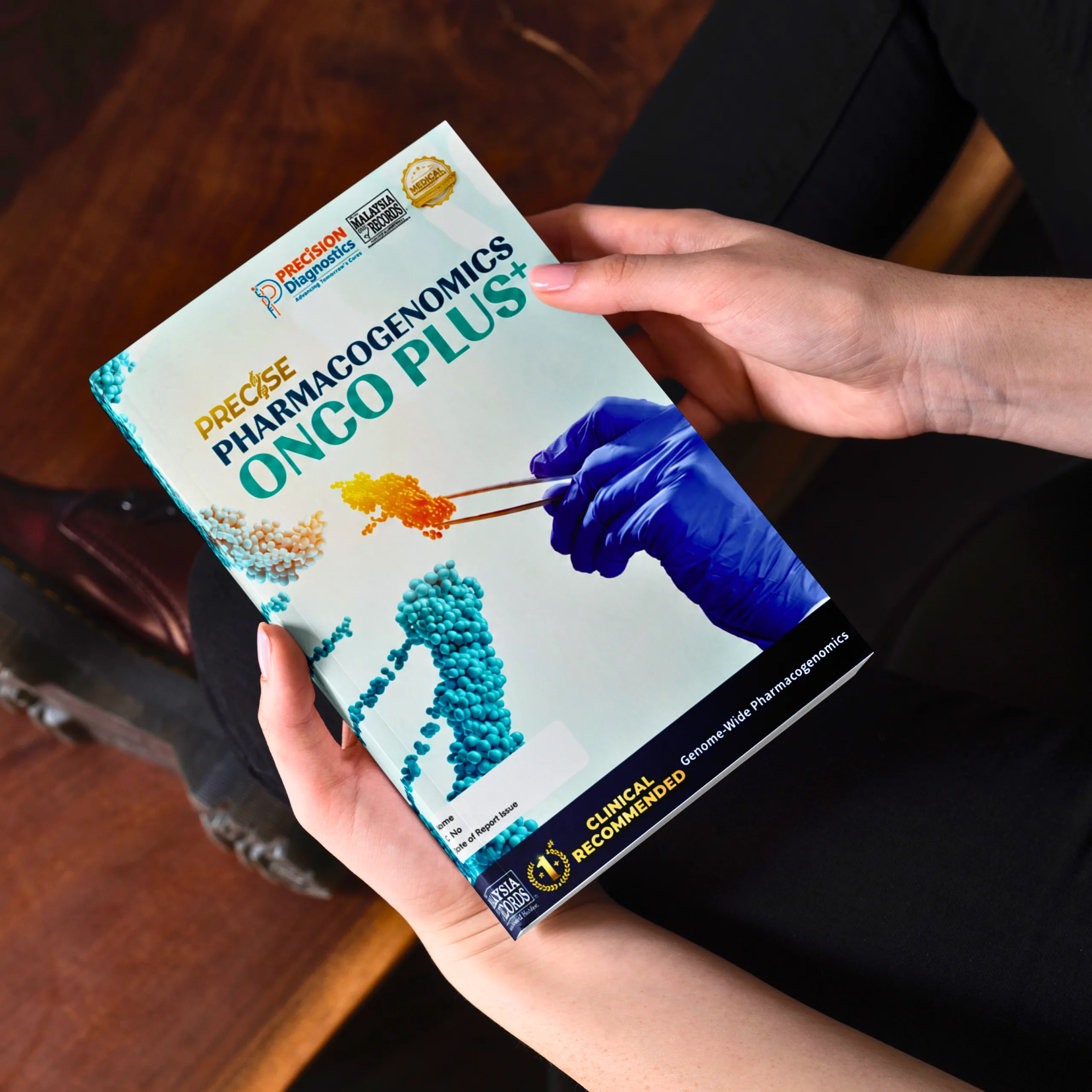
PRECISE Onco⁺
Germline pharmacogenomic test for personalised and safer cancer care. Lifelong insights that complement tumour testing and guide therapy from the start.
Learn more →Your DNA holds the key. PRECISE Pharmacogenomics reveals exactly how your body responds to medication.
Our board of advisors
Distinguished clinicians, scientists and policymakers shaping the future of precision medicine in Asia Pacific.

Dato' Dr. Mohamed Ibrahim Bin Dato' Hj. Abdul Wahid

Assoc. Prof. Dr. Doreen Tan Su-Yin

Prof. Dr. Tan Geok Chin
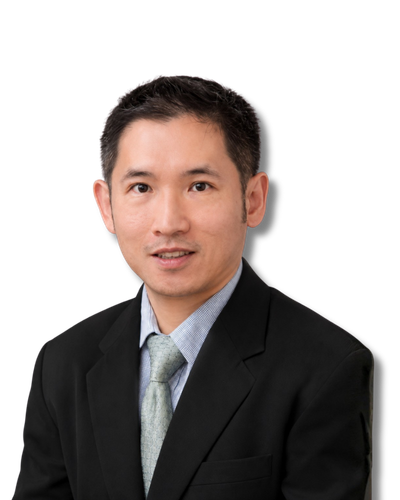
Prof. Ts. Dr. Cheah Yoke Kqueen

Assoc. Prof. Dr. Hoo Fan Kee

Mr. Lim Jack Shen
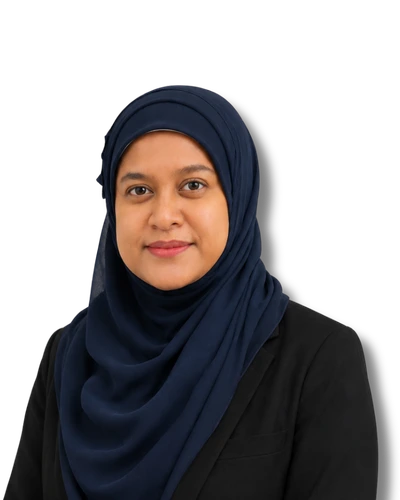
Dr. Sharifah Azween Syed Omar
Our latest news and events
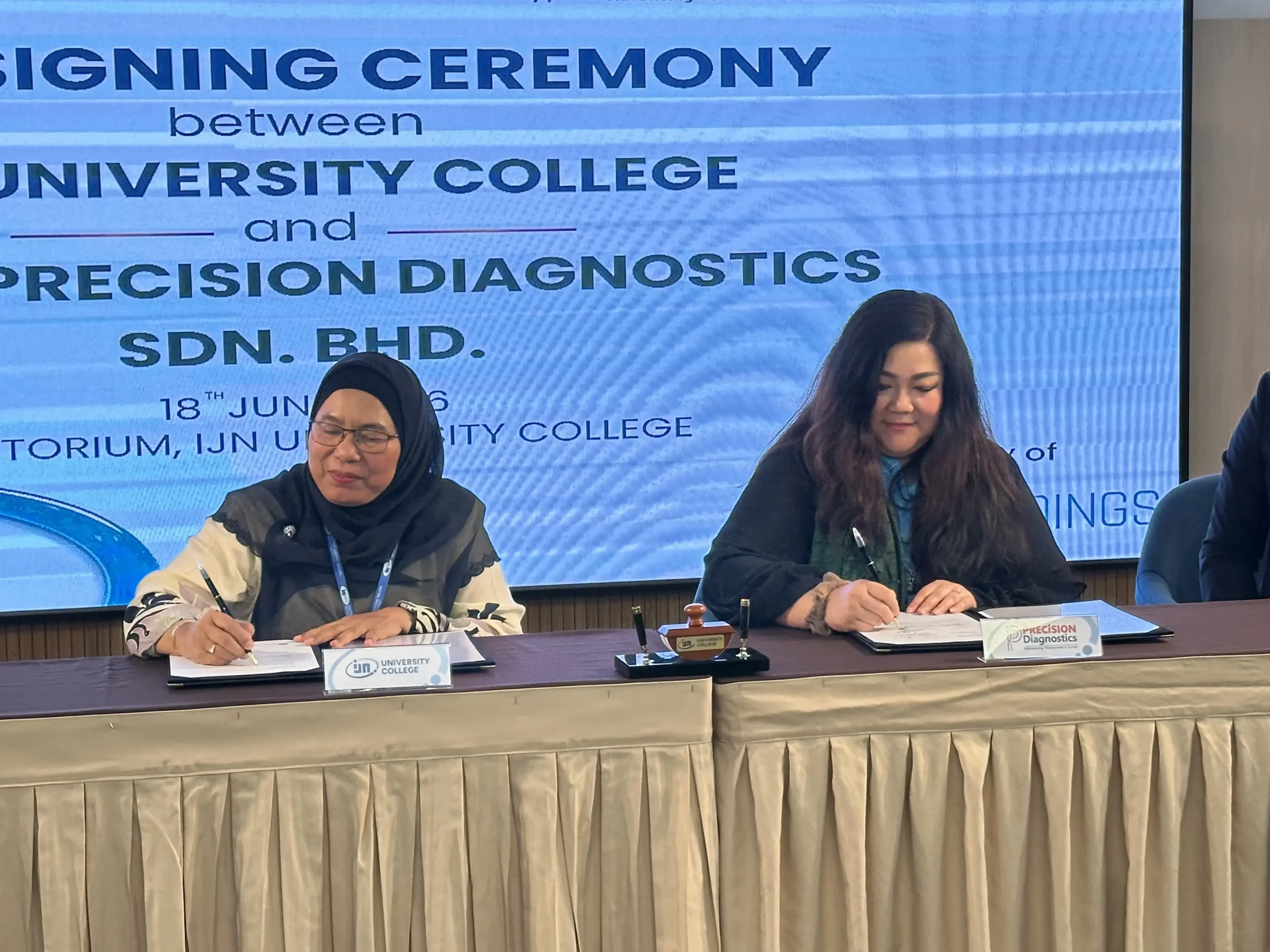
Strategic MoU with IJN University College to advance precision healthcare education, research, and talent development
Read more →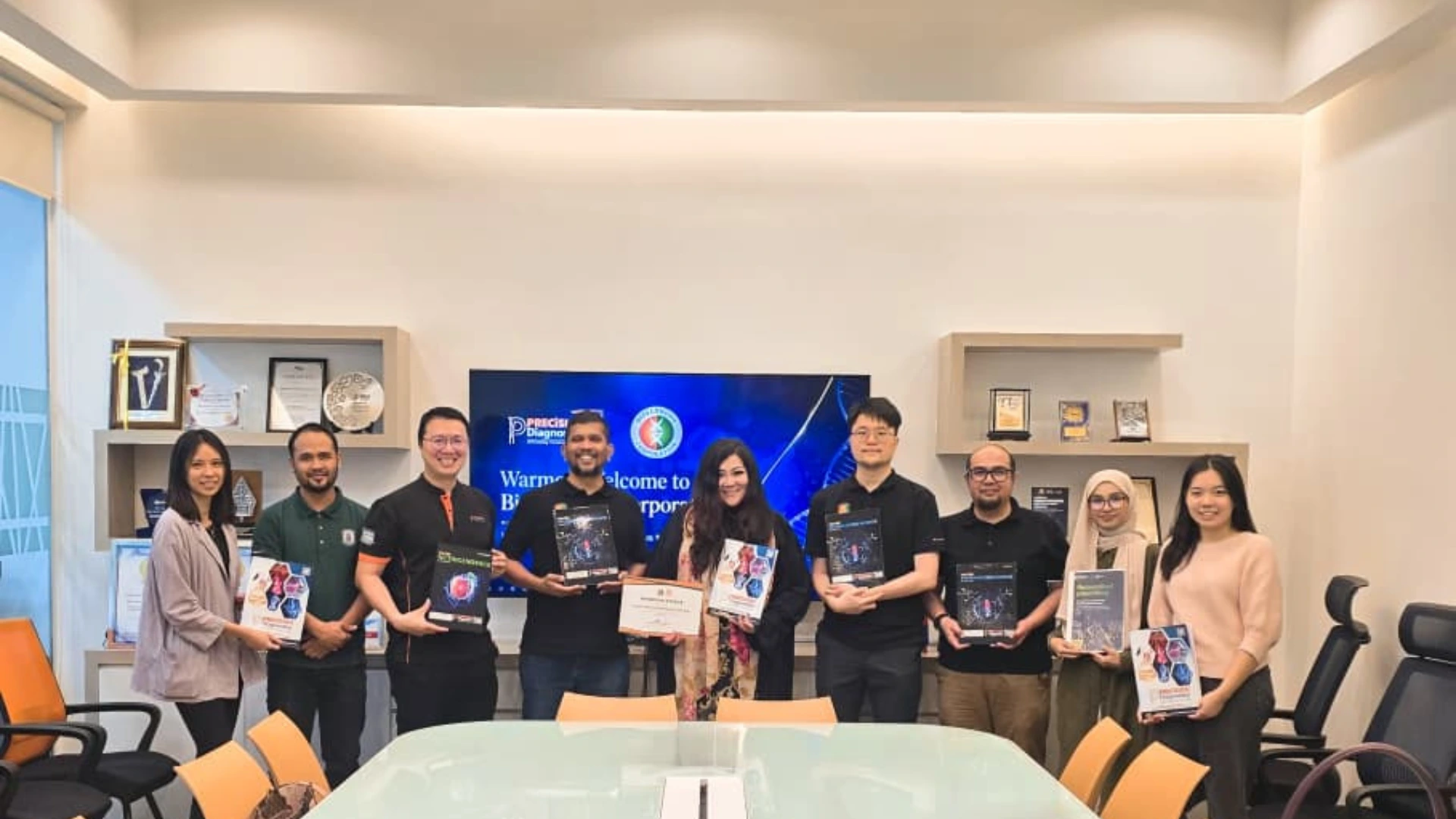
Precision Diagnostics recognised among Malaysia's top 10 healthcare BioNexus status companies
Read more →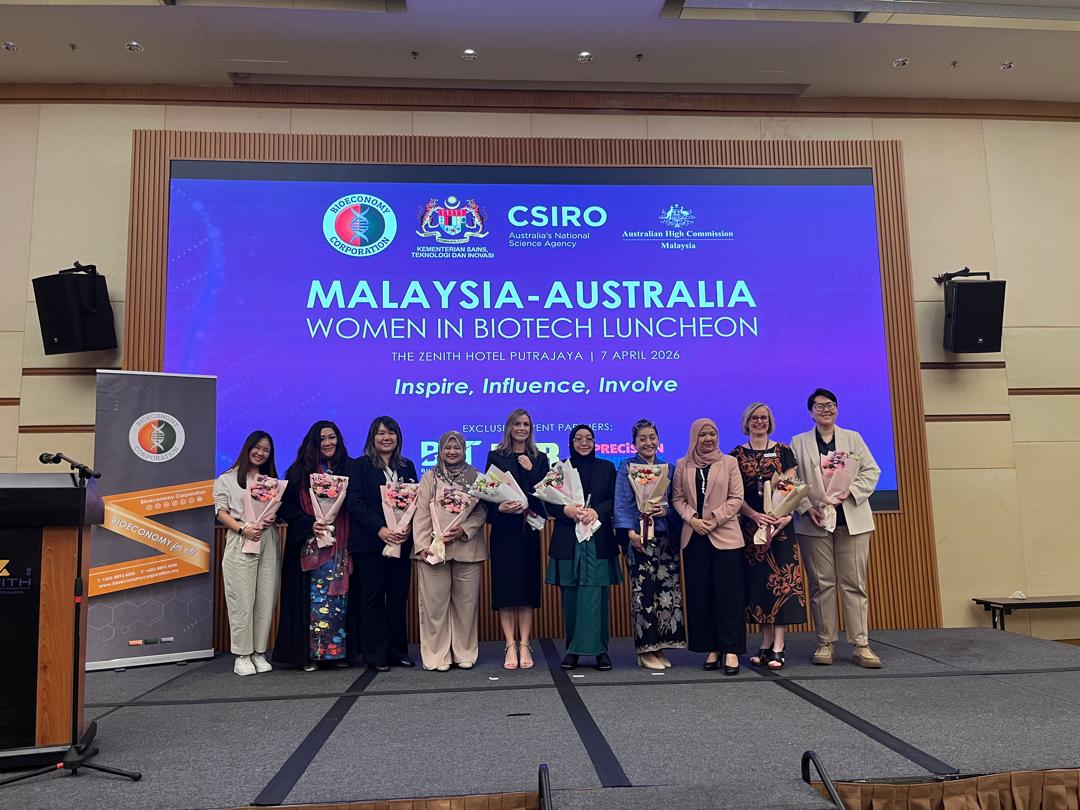
Malaysia and Australia biotech luncheon highlights leadership, collaboration, and innovation in healthcare
Read more →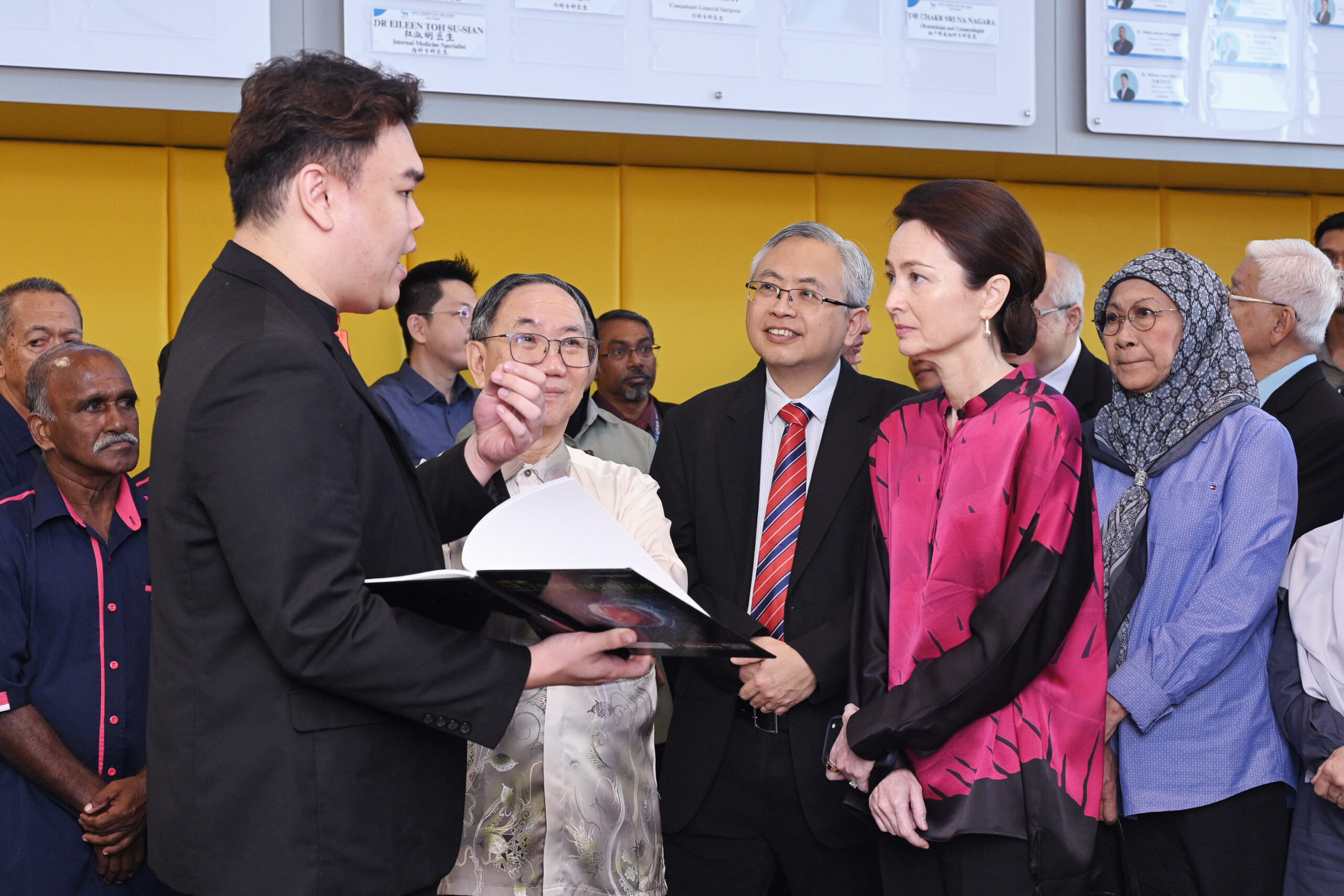
Royal visit marks highlight of UTAR Hospital World Health Day health exhibition
Read more →Contact us
Reach our team for appointments, clinical support, or partnership enquiries.
Our location
Mezzanine Floor, Wisma Ali Bawal 2,No. 11, Jalan Tandang,
46050 Petaling Jaya, Selangor.
Operating hours
- Weekdays 8:30 AM – 6:00 PM
- Closed on Weekends & Public Holidays
For appointments, test enquiries, and general patient support.
For partnerships, institutional enquiries, and business development.
