Home>Blogs>The Hidden Danger in Your Medicine Cabinet: Understanding Adverse Drug Reactions
The Hidden Danger in Your Medicine Cabinet: Understanding Adverse Drug Reactions
13 March 2026
When we take medication, we expect it to make us feel better, not worse. Yet every year, thousands of people experience adverse drug reactions (ADRs) that range from mild discomfort to life-threatening complications. Many of these reactions occur even when the right drug is prescribed at the right dose.
So what exactly causes ADRs, and why do they happen to some people but not others?
What Is an Adverse Drug Reaction?
An adverse drug reaction is any unintended, harmful effect that occurs after taking a medication at normal doses¹. It’s not the same as an overdose or misuse. ADRs can happen even when you follow your doctor’s instructions perfectly. Common examples include:
Rashes or allergic reactions
Dizziness, nausea, or vomiting
Abnormal bleeding or heart rhythm changes
Liver or kidney damage
Rashes or allergic reactions
Dizziness, nausea, or vomiting
Abnormal bleeding or heart rhythm changes
Liver or kidney damage
Some ADRs are mild and reversible, but others can be serious, even fatal. A landmark meta-analysis estimated that ADRs account for up to 6.7% of hospital admissions and 0.32% of all deaths in hospitalized patients².
Why Do Adverse Drug Reactions Happen?
There are many possible reasons, but one of the most overlooked is genetic difference. Every person has a unique genetic makeup that influences how their body processes medications. These genes control enzymes that metabolize drugs in the liver or help transport them to target cells.
If those enzymes work too fast, the drug may not reach a therapeutic level, meaning it doesn’t work. If they work too slowly, the drug may build up in the body causing toxicity and side effects. This variability is often linked to genetic differences in enzymes like CYP2D6, 2C19, and 2C9, which are involved in metabolizing many commonly used drugs³. This is why two patients can take the same prescription and experience completely different outcomes.
When SOPs Aren’t Enough
Doctors prescribe according to established Standard Operating Procedures (SOPs) and clinical guidelines. However, these guidelines are based on averages, not individual biology. In other words, what’s considered a “safe and effective” dose for most people may not be suitable for you.
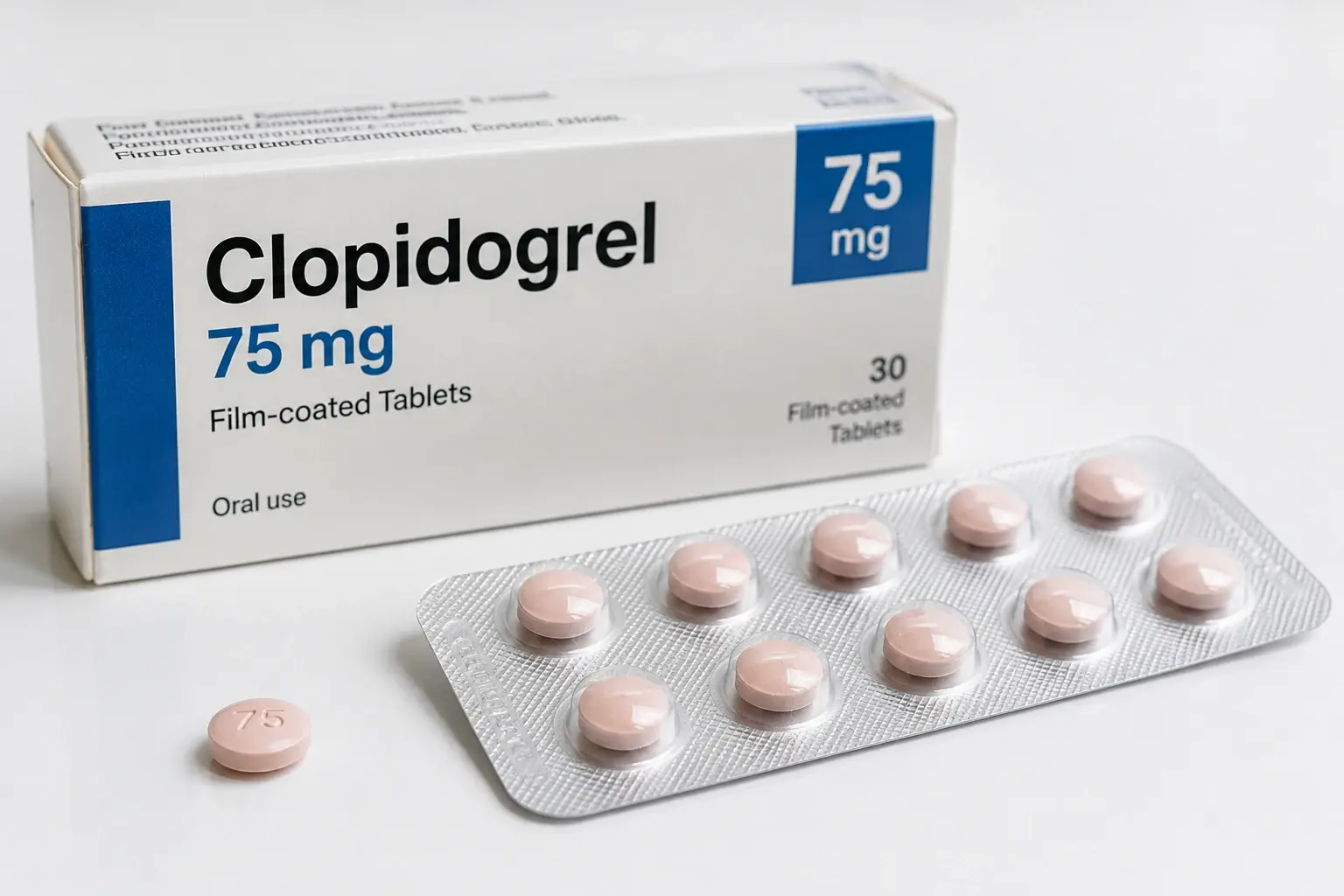
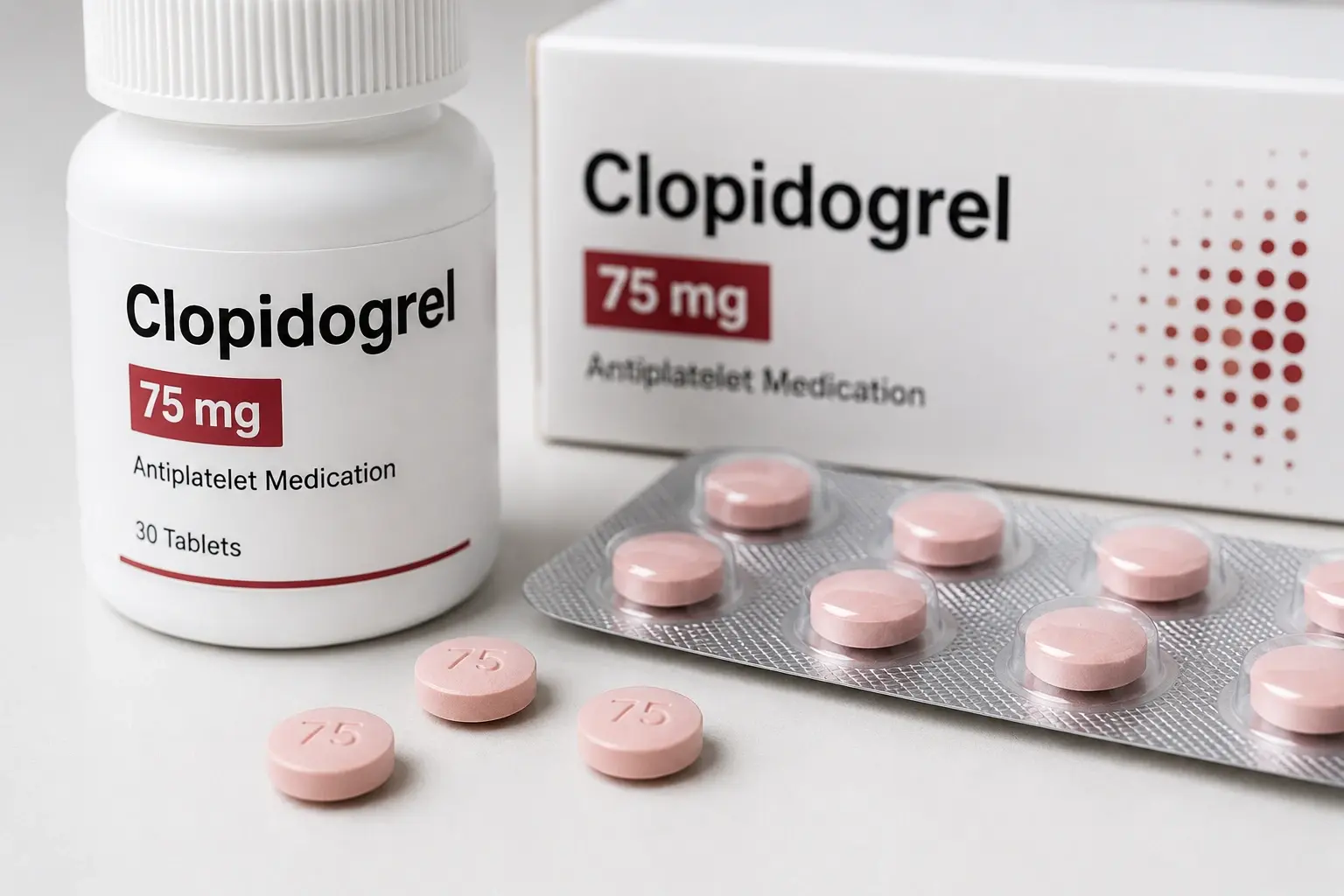
That’s not a doctor’s error. It’s a reflection of how diverse human genetics truly are. For example, patients with reduced CYP2C19 enzyme activity may fail to activate clopidogrel, a common blood thinner, leaving them at higher risk of heart attack despite following standard therapy⁴.
The Cost of Ignoring ADRs
Adverse drug reactions are not just personal setbacks; they are a major public health issue. Studies have shown that ADRs account for:
Up to 10% of hospital admissions⁵
Thousands of preventable deaths each year⁶
Increased healthcare costs due to extended hospital stays and additional treatments⁷
The tragedy is that many of these reactions could have been prevented with better understanding and screening.
How Pharmacogenomics Helps Prevent ADRs?
This is where pharmacogenomics, the science that studies how your genes influence your response to medication comes in. Through a simple pharmacogenomics test, doctors can identify how your body metabolizes certain drugs before you even take them.
This information helps them:
Avoid prescribing drugs that could cause adverse reactions
Choose safer, more effective alternatives
Determine the most suitable dose for your genetic profile
Clinical evidence shows that pharmacogenomic-guided prescribing can reduce ADR risk by up to 30% and improve medication efficacy⁸. Pharmacogenomics turns medication management from trial-and-error into precision and prevention.
Moving Toward Safer Prescriptions
The future of medicine is not just about developing new drugs. It’s about using existing ones more intelligently. With pharmacogenomic insights, we can shift from a one-size-fits-all approach to truly personalized prescribing, where every treatment decision is backed by your genetic data.
The Takeaway
Adverse drug reactions are not just unlucky side effects. They are often predictable and preventable. By understanding the genetic factors behind drug metabolism, we can protect patients from harm and improve treatment success rates.
Take control of your medication safety today. Talk to your doctor about PRECISE Pharmacogenomics testing or reach out to Precision Diagnosticsto learn how your genes can help you and your healthcare provider make safer, smarter prescribing decisions.
Reference List
World Health Organization. (2024). Safety of medicines – adverse drug reactions. Retrieved from https://www.who.int/docs/default-source/medicines/safety-of-medicines–adverse-drug-reactions-jun18.pdf?sfvrsn=4fcaf40_2
Lazarou, J., Pomeranz, B. H., & Corey, P. N. (1998). Incidence of adverse drug reactions in hospitalized patients: a meta-analysis of prospective studies. JAMA, 279(15), 1200–1205. https://doi.org/10.1001/jama.279.15.1200
Zhou, S. F., Liu, J. P., & Chowbay, B. (2009). Polymorphism of human cytochrome P450 enzymes and its clinical impact. Drug metabolism reviews, 41(2), 89–295. https://doi.org/10.1080/03602530902843483
Mega, J. L., Close, S. L., Wiviott, S. D., Shen, L., Hockett, R. D., Brandt, J. T., Walker, J. R., Antman, E. M., Macias, W. L., Braunwald, E., & Sabatine, M. S. (2009). Cytochrome P-450 polymorphisms and response to clopidogrel. The New England Journal of Medicine, 360(4), 354–362. https://doi.org/10.1056/NEJMoa0809171
Giardina, C., Cutroneo, P. M., Mocciaro, E., Russo, G. T., Mandraffino, G., Basile, G., & others. (2018). Adverse Drug Reactions in Hospitalized Patients: Results of the FORWARD (Facilitation of Reporting in Hospital Ward) Study. Frontiers in Pharmacology, 9, 350. https://doi.org/10.3389/fphar.2018.00350
Giardina, C., Cutroneo, P. M., Mocciaro, E., Russo, G. T., Mandraffino, G., Basile, G., Rapisarda, F., Ferrara, R., Spina, E., & Arcoraci, V. (2018). Adverse Drug Reactions in Hospitalized Patients: Results of the FORWARD (Facilitation of Reporting in Hospital Ward) Study. Frontiers in pharmacology, 9, 350. https://doi.org/10.3389/fphar.2018.00350
Formica, D., Sultana, J., Cutroneo, P. M., Lucchesi, S., Angelica, R., Crisafulli, S., & Trifirò, G. (2018). The economic burden of preventable adverse drug reactions: A systematic review of observational studies. Expert Opinion on Drug Safety, 17(7), 681–695. https://doi.org/10.1080/14740338.2018.1491547
Skokou, M., Karamperis, K., Koufaki, M. I., Tsermpini, E. E., Pandi, M. T., Siamoglou, S., Ferentinos, P., Bartsakoulia, M., Katsila, T., Mitropoulou, C., Patrinos, G. P., & Consortium of the PREPARE study in Greece (2024). Clinical implementation of preemptive pharmacogenomics in psychiatry. EBioMedicine, 101, 105009. https://doi.org/10.1016/j.ebiom.2024.105009