Home>Blogs>The Role of Pharmacogenomics in Preventing Adverse Drug Reactions
The Role of Pharmacogenomics in Preventing Adverse Drug Reactions
4 May 2026
When you visit a doctor, you expect the prescribed medication to work safely and effectively. After all, every prescription follows a standard protocol based on years of medical research and established guidelines.
Yet, in reality, two people can take the same drug at the same dose and experience completely different outcomes. One gets better. The other suffers an unexpected side effect or no benefit at all.
Not All Drugs Are Created Equal for Everyone
Every individual’s body processes medication differently. While standard treatment guidelines (SOPs) are designed for the “average” patient, they don’t account for the subtle genetic differences that affect how our bodies respond to drugs. These differences can influence:
How fast or slow your body breaks down a drug
Whether the drug reaches its target effectively
How strongly your body reacts to it
For instance, some people naturally metabolize a drug too quickly, leading to low effectiveness. Others metabolize it too slowly, causing drug accumulation and toxic side effects. Both outcomes can lead to adverse drug reactions (ADRs), which contribute to hospital admissions worldwide¹.
The Silent Risk Behind SOP Prescriptions
Even the most experienced doctor follows evidence-based SOPs. However, these guidelines assume that most patients will respond “normally.” In reality, genetic diversity means there’s no truly ‘standard’ response.
This is why a patient who suffers side effects from a routine prescription often hears, “You just reacted differently.” But what if we could predict that reaction before it happens?
How Pharmacogenomics Changes the Game?
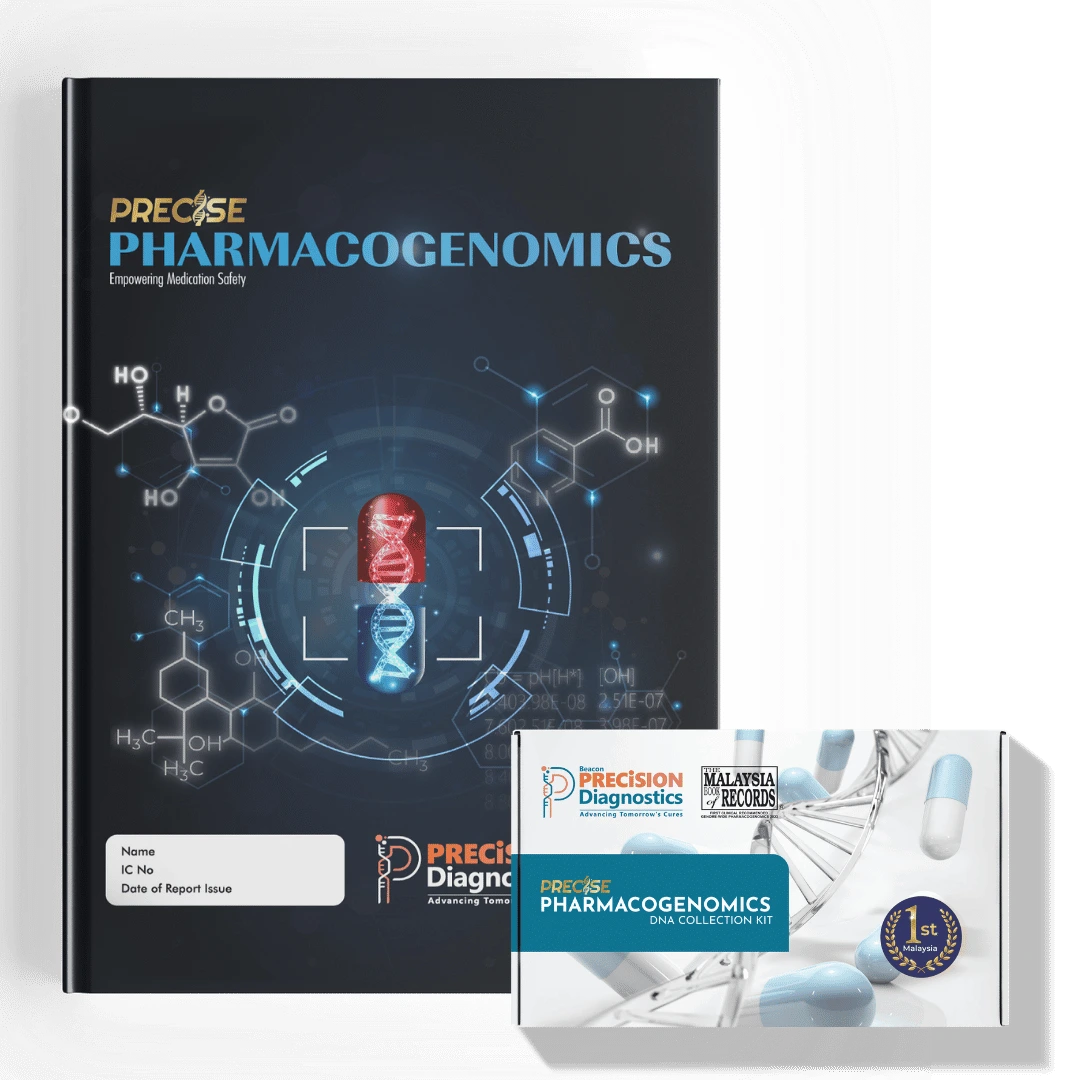
Pharmacogenomics (PGx) is the science that studies how your genes affect your response to medications. By analysing specific genetic markers related to drug metabolism and transport, pharmacogenomic testing helps identify:
Which medications are likely to work best for you
Which drugs might cause side effects
What dosage your body can safely handle
This means your treatment can be tailored to your unique genetic blueprint, rather than the average population response.
Real-World Impact: From Trial-and-Error to Precision
Traditionally, doctors may adjust your medication through trial and error by either increasing or switching drugs until one works.
With pharmacogenomics, this guesswork can be reduced dramatically. For example:
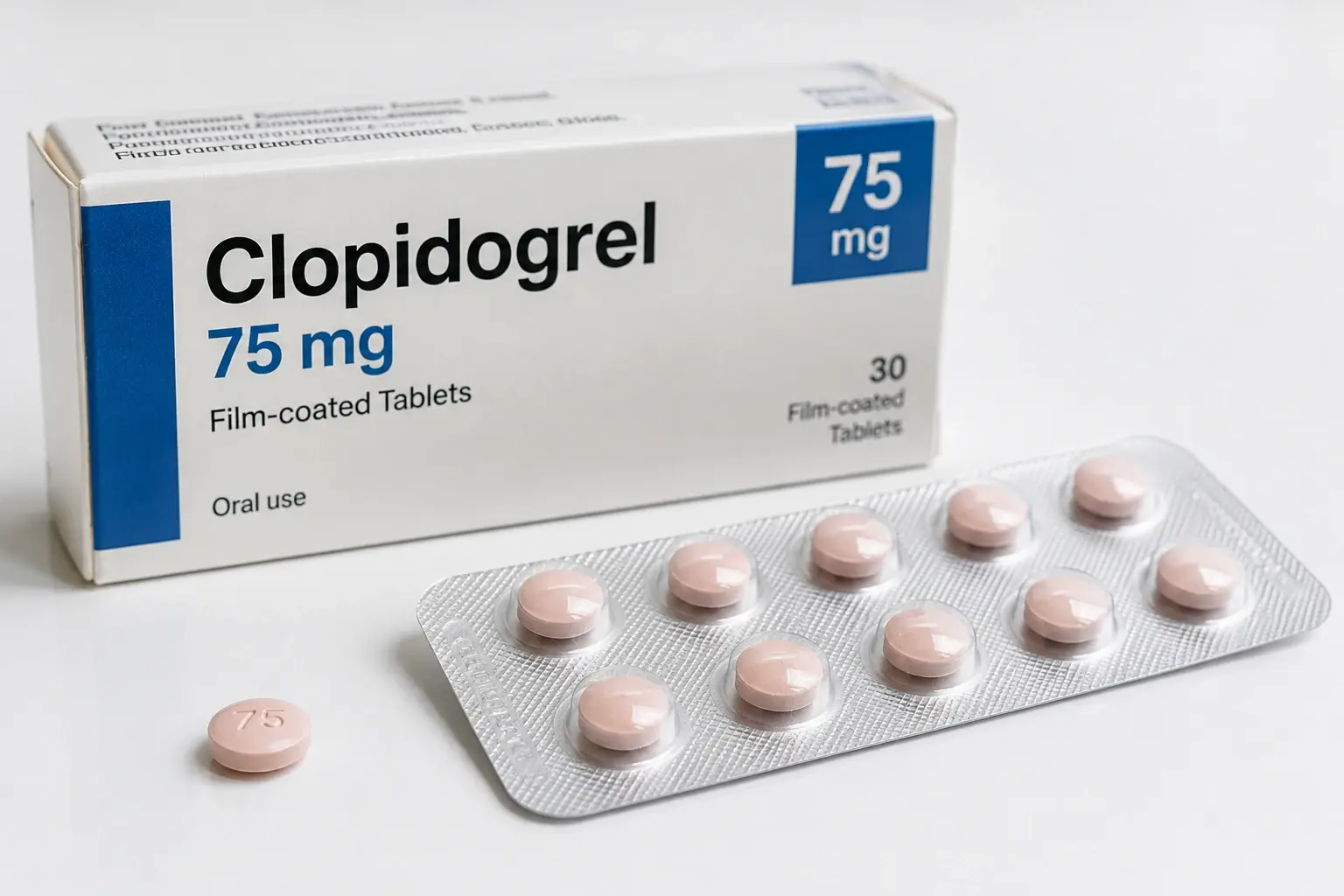
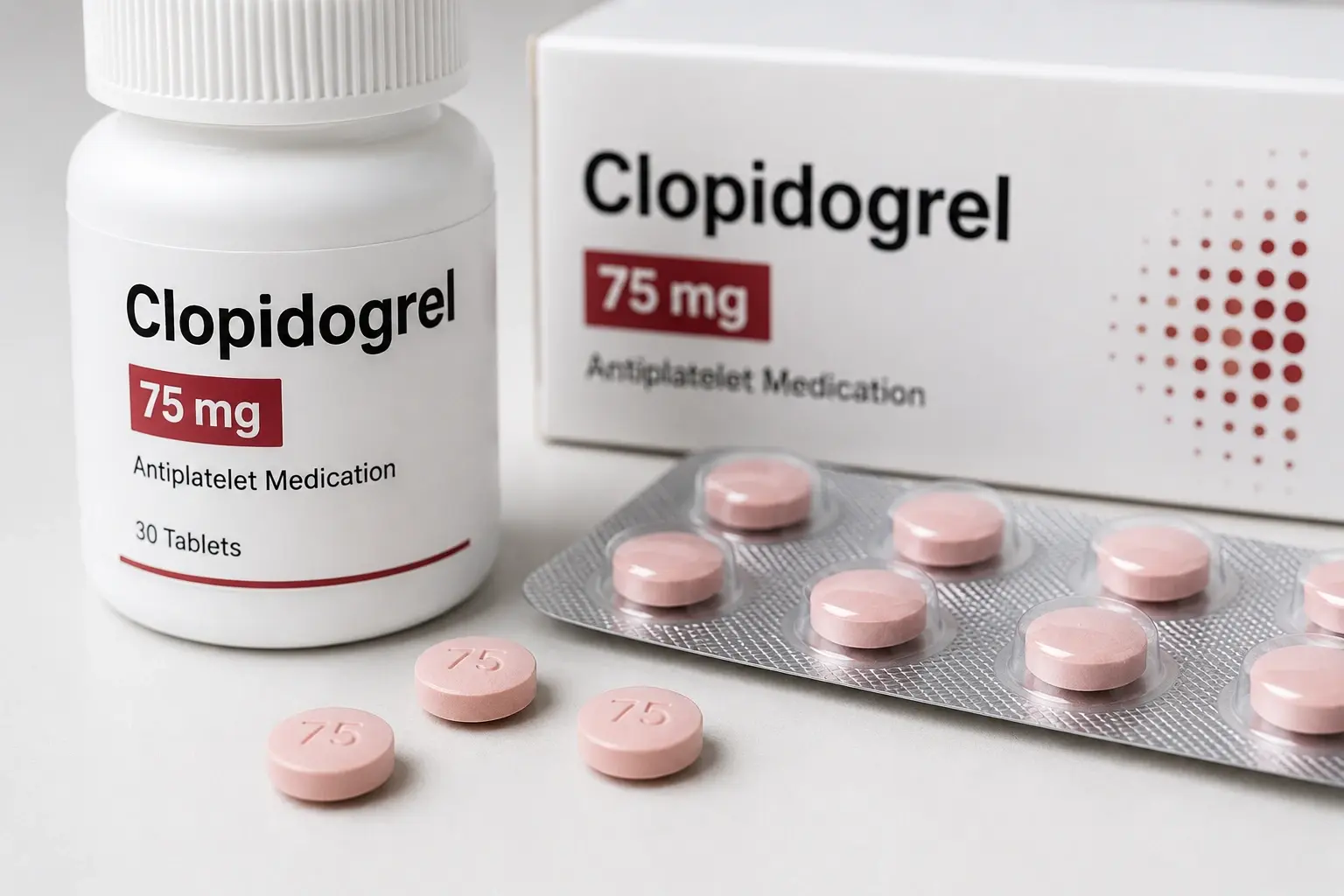
Clopidogrel (a common heart drug) may not work well in people with certain CYP2C19 gene variants.
Codeine, used for pain relief, can be too weak or too toxic depending on your CYP2D6 gene type.
Antidepressants such as SSRIs are processed differently depending on genetic variants in drug-metabolizing enzymes.
By knowing this in advance, doctors can make data-driven decisions to improve outcomes and reduce risks.
From Standard of Care to Personalized Care
Pharmacogenomic testing doesn’t replace medical expertise. It empowers doctors with deeper insights. When used together with clinical judgment, it bridges the gap between SOP-based treatment and truly personalized medicine, where each prescription is as unique as the patient who receives it.
Takeaway
If you’ve ever wondered why a medication didn’t seem to work for you or caused side effects for no clear reason, genetics could be the missing link. Pharmacogenomics offers a safer, smarter, and more precise way to prescribe, helping transform healthcare from reactive treatment to proactive prevention.
Cosgrave N, Frydenlund J, Beirne F, Lee S, Faez I, Cahir C, Williams D. Hospital admissions due to adverse drug reactions and adverse drug events in older adults: a systematic review. Age Ageing. 2025 Aug 1;54(8):afaf231. doi: 10.1093/ageing/afaf231. PMID: 40838776; PMCID: PMC12454932.