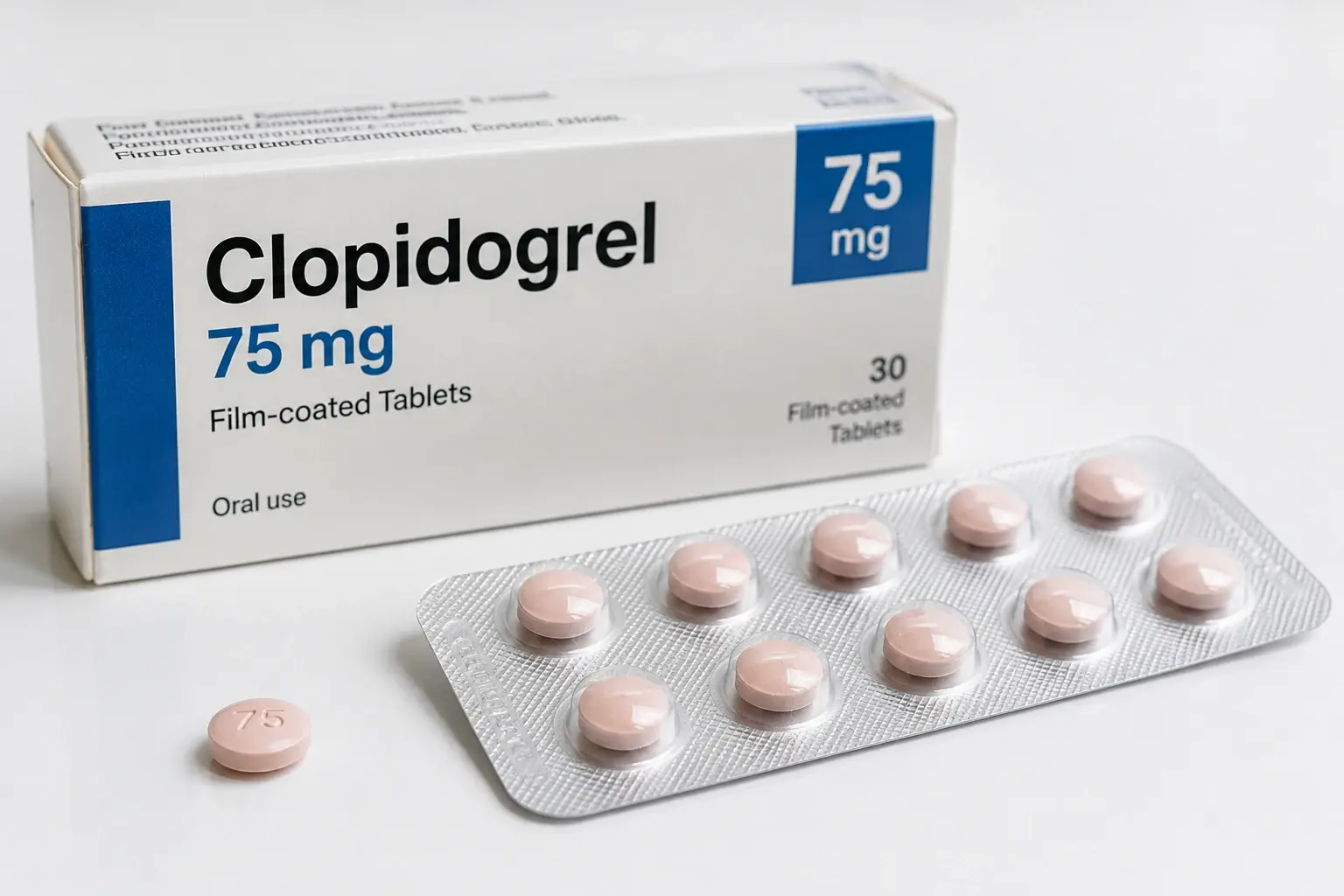
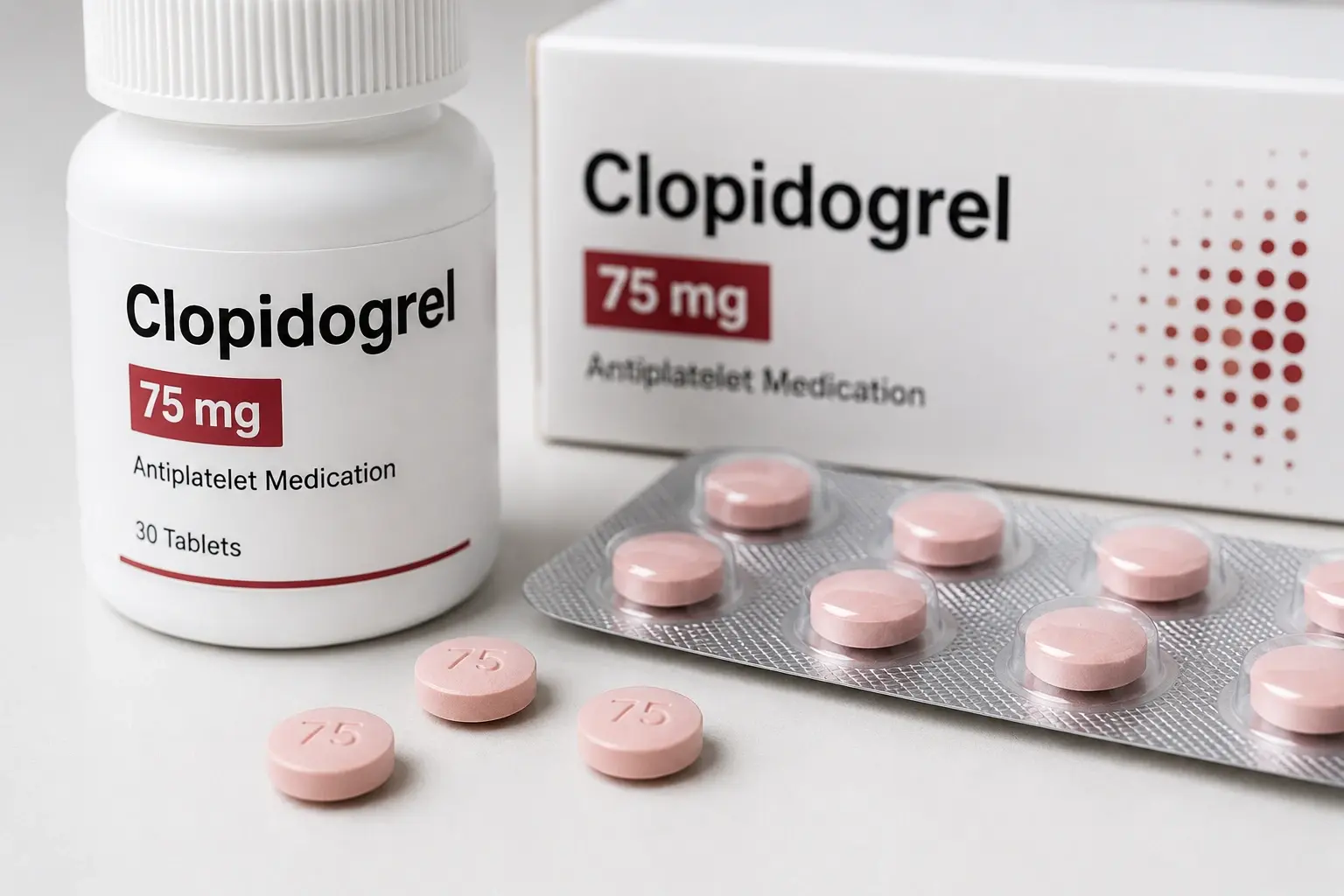
Your DNA holds the key — PRECISE Pharmacogenomics reveals exactly how your body responds to medication.
Get it Today
How the CYP2C19 Gene Affects Your Response to Common Medications
8 July 2026
The CYP2C19 gene is widely recognised as an important gene that influences how our body handles many commonly prescribed medications. It encodes for the production of a liver enzyme that helps metabolise (chemically modify and clear) and break down several drug classes so that the drugs provide the necessary therapeutic effect for the body. This metabolism process affects drug levels in the body, drug efficacy, and risk of adverse effects. But here is something many people do not realise: Not everyone receives the same therapeutic effect by the same drugs. This is because your CYP2C19 gene can vary from person to person.
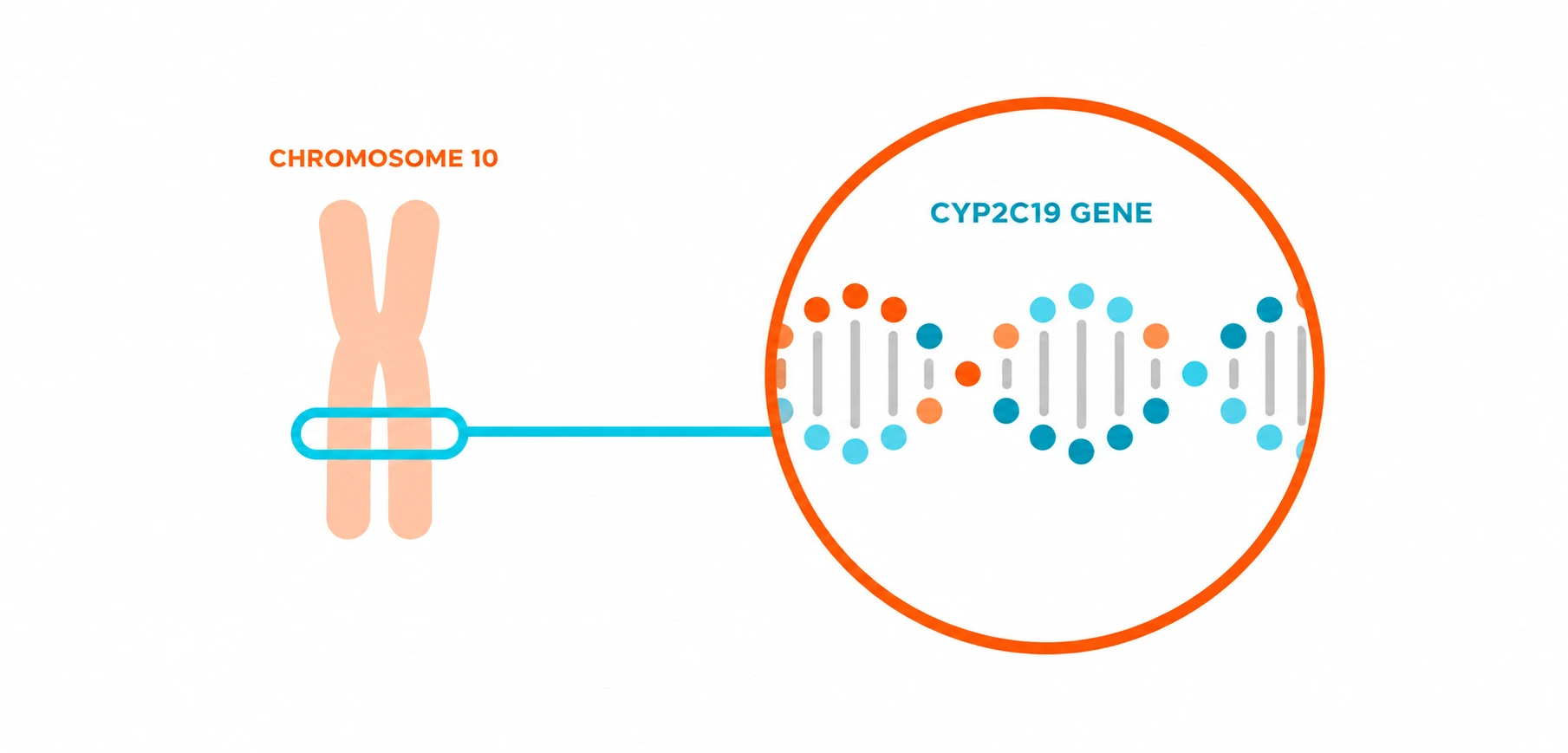
What CYP2C19 Matters More Than You Think?
Your CYP2C19 gene affects how your body responds to medications such as:
- Antiplatelets and anticoagulants (blood thinners) like Clopidogrel.
- Certain antidepressants
- Proton pump inhibitors for gastric issues
Two people can take the same medication, at the same dose, and experience completely different results. One may benefit. The other may find that the medication may not work and even experience side effects.
The 4 Common CYP2C19 Metabolizer Types
We carry 2 copies of the CYP2C19 gene, where each copy is inherited from each parent. Each copy of the gene is called an allele. Because we usually have 2 copies, a person typically has 2 CYP2C19 alleles. People can be grouped according to how active their drug‑metabolizing enzyme is. Based on your genetics, you typically fall into one of these categories:
1. Poor Metabolizer (PM)
Your CYP2C19 carries two “no‑function” alleles so the enzyme made is essentially inactive. This slows or blocks metabolism of many CYP2C19‑dependent drugs. PMs have slower clearance of drugs, which leads to higher drug levels in blood. This causes higher drug exposure which potentially leads to risk of side effects, or altered effectiveness, so different dose or alternative drug choice is recommended.
2. Intermediate Metabolizer (IM)
Your CYP2C19 carries only 1 “no function” alleles so the enzyme has reduced enzyme activity compared with a normal metaboliser, but more activity than a poor metaboliser. IMs processes medication slower than average. Medicines processed by that enzyme may stay longer in the body and at higher levels than in normal metabolisers at the same drug dose, especially for drugs mainly cleared by CYP2C19 (e.g. some antidepressants, proton‑pump inhibitors). This increases risk for side effects, so dose adjustments are recommended.
3. Normal Metabolizer (NM)
Your CYP2C19 carries only 2 “normal-function” alleles, often written as *1/*1, so the enzyme has normal enzyme activity. NMs processes and helps clear the medications as expected. Standard dosing usually works.
4. Rapid/ UltrarapidMetabolizer (RM or UM)
Rapid metabolisers (RM) are people with 1 “increased function” allele, typically named as a *17 allele and the other is 1 “normal function” allele, usually written as *1/*17. Ultrapid metabolisers (UM) are people with 2 “increased function” allele, typically written as a *17/*17. This causes the CYP2C19 enzyme activity to have higher activity than all the other groups. This group have a faster drug clearance because the enzyme breaks down CYP2C19‑substrate drugs very quickly causing your body to process medication too quickly which causes a lower drug levels in the body. Because of this, there is lower drug exposure and may have reduced therapeutic drug effects – the drug may not work effectively so dosing adjustments may be recommended based on types of drugs and disease.
It is important to note that genotype-based drug recommendations (like choosing alternative drugs or dose changes) are powerful, but they are only one piece of the puzzle. They must always be interpreted and applied by healthcare professionals in context, not used as stand‑alone instructions.
Real Example: Why Clopidogrel May Not Work For Everyone
Clopidogrel is commonly prescribed to prevent what is called pathogenic blood clots which are dangerous for people with cardiovascular diseases (CVD). For people with CVD, a blood clot can cause heart-related adverse events. However, it needs to be activated by the CYP2C19 enzyme in your body.

If you are a poor or intermediate metabolizer:
- Your body cannot convert clopidogrel into its active form effectively
- This means the medication may not work to protect you as intended
This is why some patients still experience cardiovascular adverse events despite taking the medication correctly.
If you are a rapid or ultrarapid metabolizer:
- RMs and UMs have higher enzyme activity, so they generally generate moreactive drug than average
- This means the medication work similar to normal metabolisers
From Trial And Error To Guided Decisions
Traditionally, prescribing medication involves some level of trial and error. Doctors prescribe medications based on general guidelines, then adjust if needed. But this approach has limitations:
- Side effects may only appear after taking the drug
- Ineffective treatment may delay recovery
- Patients may lose confidence in treatment
Pharmacogenomics changes this approach. By understanding your CYP2C19 gene, doctors can:
- Choose the right medication from the start
- Adjust dosage more accurately
- Reduce the risk of adverse drug reactions
How Pharmacogenomics Testing Help?
Pharmacogenomic testing analyses your DNA to understand how your body processes medications. It provides insights such as:
- Which drugs are suitable for you
- Which drugs may cause side effects
- Whether you need a higher or lower dose
This is especially important for medications with narrow safety margins or critical outcomes.
Why This Matters For You?
You may benefit from understanding your CYP2C19 gene if you:
- Are taking multiple medications
- Have experienced side effects before
- Are starting long term treatments
- Want to avoid unnecessary trial and error
Your DNA does not change. This means the insight is useful for life.
Take The Next Step Towards Personalised Care
Understanding your CYP2C19 gene is not just about genetics. It is about making better decisions for your health.
PRECISE Pharmacogenomics analyses over 500 medications, including those affected by CYP2C19, and provides clinically actionable insights designed for real medical use.
If you are currently taking medications such as clopidogrel or planning to start a new treatment, it may be helpful to speak with your doctor or healthcare provider about whether pharmacogenomic testing is suitable for you.
You can also reach out to learn more about how PRECISE Pharmacogenomics helps guide safer and more effective medication choices, based on your DNA.